
Morris Cost Seg Consultants
Shopping Centers
Cost segregation for shopping centers is a strategic tax planning tool that allows property owners to accelerate depreciation and improve cash flow.
Morris Cost Seg Consultants: Specialties
Maximize Tax Savings for Your Shopping Centers
Shopping center owners, developers, and REITs face unique challenges in managing large-scale commercial properties with multiple tenants, extensive common areas, and complex infrastructure.
At Morris Cost Seg Consultants, we specialize in cost segregation studies specifically designed for shopping centers, helping property owners accelerate depreciation deductions and unlock substantial tax savings that can be reinvested into property improvements, debt reduction, or portfolio expansion.
Our comprehensive cost segregation approach identifies and reclassifies building components from standard 39-year depreciation schedules to shorter recovery periods of 5, 7, or 15 years. For shopping centers, this strategy delivers exceptional results by targeting the specific assets that define retail environments—from tenant buildouts and specialized lighting to parking lot improvements and sophisticated HVAC systems serving multiple spaces.
Understanding Cost Segregation for Shopping Centers
Cost segregation is an IRS-approved tax strategy that allows commercial property owners to identify and separate personal property assets and land improvements from real property. Instead of depreciating your entire shopping center over 39 years, our detailed engineering-based cost segregation study breaks down your property into components that can be depreciated over much shorter timeframes.
For shopping centers, this approach is particularly advantageous because of the diverse mix of assets involved. Your property likely includes tenant improvement allowances, common area maintenance features, extensive site improvements, and specialized retail infrastructure—all of which contain numerous components eligible for accelerated depreciation.
The tax deferral achieved through cost segregation does not just defer taxes indefinitely; it creates immediate cash flow that shopping center owners can deploy strategically to enhance property value, attract premium tenants, or expand their commercial real estate portfolio.
Tenant Buildout Components
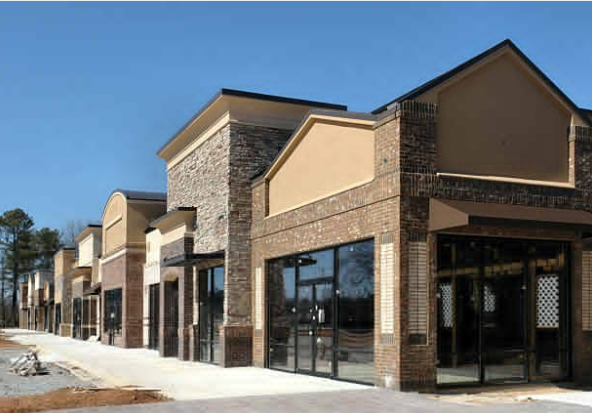
One of the most significant opportunities for cost segregation in shopping centers lies within tenant spaces. Tenant buildouts typically include extensive improvements that can be reclassified from 39-year real property to shorter-lived assets:
5-Year Property: Specialty flooring in retail spaces, decorative wall coverings, removable partitions, retail display fixtures, custom millwork, specialized lighting fixtures, and restaurant equipment packages all qualify for 5-year depreciation. For anchor tenants with extensive buildouts, these components can represent hundreds of thousands of dollars in accelerated deductions.
7-Year Property: Furniture, fixtures, and equipment (FF&E) installed as part of tenant improvements, including point-of-sale systems, security systems specific to tenant spaces, and specialized refrigeration units, fall into this category.
15-Year Property: Qualified improvement property (QIP) including interior improvements made to tenant spaces after the building was placed in service—such as interior walls, ceiling systems, flooring, and electrical installations—can be depreciated over 15 years, a significant acceleration from the standard 39-year schedule.
Common Area Features
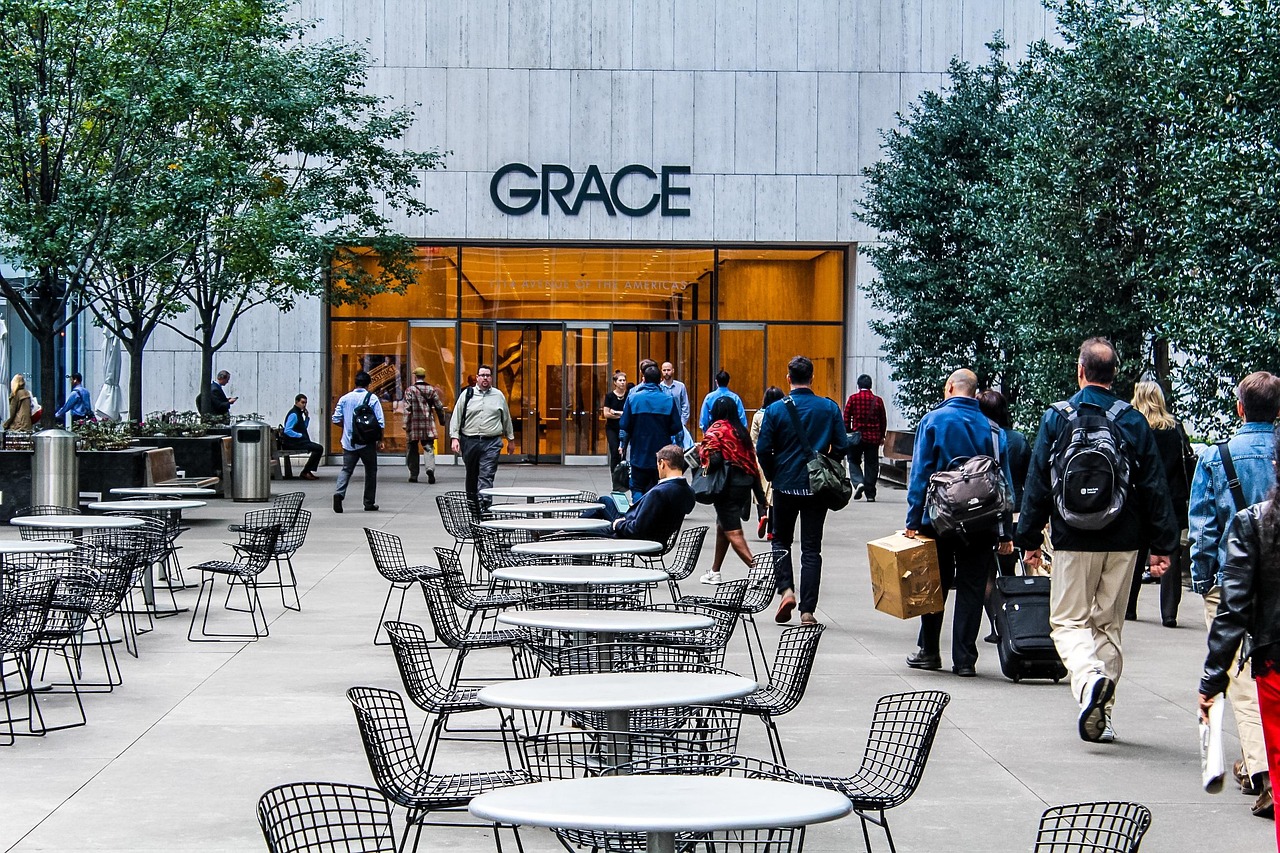
Shopping centers distinguish themselves through attractive, functional common areas that drive foot traffic and enhance the customer experience. These shared spaces contain numerous assets eligible for cost segregation:
Lighting Systems: Common area lighting represents a substantial opportunity for reclassification. Decorative light fixtures, specialty lighting in food courts, accent lighting highlighting architectural features, parking lot lighting, and exterior building illumination can often be separated from the building structure and depreciated over shorter periods.
HVAC Systems: While base building HVAC may remain 39-year property, components serving specific purposes can be accelerated. Variable air volume (VAV) boxes, specialized ventilation for food court areas, supplemental cooling for high-traffic zones, and controls systems often qualify for shorter depreciation periods.
Flooring and Finishes: Decorative tile work, specialty flooring in common areas, accent walls, water features, and indoor landscaping features can frequently be reclassified to 5- or 15-year property.
Site Improvements and Parking Infrastructure
The land improvements surrounding your shopping center building represent another major category for cost segregation benefits:
Parking Facilities: Parking lot surfaces, striping, lighting, curbs, wheel stops, signage, and traffic control devices can be separated from land and depreciated over 15 years rather than being treated as non-depreciable land improvements or 39-year property.
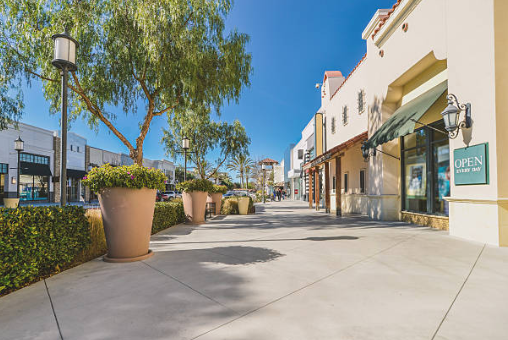
Landscaping and Hardscaping: Decorative fencing, retaining walls, outdoor seating areas, walkways, and ornamental landscaping features often qualify for accelerated depreciation.
Signage: Monument signs, pylon signs, directional signage, and tenant identification signage throughout the property represent valuable assets that can be depreciated over 5 or 7 years.
Strategic Reinvestment Opportunities: Growing Your Shopping Center Business
The substantial tax savings generated through cost segregation provide shopping center owners with immediate capital that can be strategically deployed to enhance property value and business growth. Here are proven ways to leverage these tax benefits:
Property Enhancement and Tenant Attraction
Reinvesting tax savings into property improvements creates a virtuous cycle that attracts premium tenants and justifies higher rental rates. Consider allocating funds toward:
Common Area Modernization: Update flooring, seating areas, and aesthetic features to create a contemporary shopping environment that appeals to both tenants and customers. Properties that invest in common area improvements typically see 8-15% increases in foot traffic.
Technology Integration: Install modern security systems, Wi-Fi infrastructure, digital directories, and interactive wayfinding to enhance the customer experience and provide valuable data analytics about shopping patterns.
Sustainable Upgrades: Energy-efficient lighting retrofits, solar installations, and water conservation systems not only reduce operating expenses but also appeal to environmentally conscious tenants and consumers while potentially qualifying for additional tax credits.
Debt Management and Capital Structure Optimization
Applying tax savings toward debt reduction accelerates equity building and improves cash flow:
Principal Paydown: Reducing principal balances saves substantial interest expense over time and improves debt service coverage ratios, positioning the property for favorable refinancing terms.
Reserve Building: Establishing robust capital reserves provides flexibility to address unexpected repairs, weather market downturns, or capitalize on opportunistic acquisitions.
Portfolio Expansion
Shopping center owners with proven management capabilities can leverage tax savings to expand their holdings:
1031 Exchange Preparation: Building capital reserves through tax savings positions owners to move quickly on acquisition opportunities while deferring capital gains through 1031 exchanges.
Value-Add Acquisitions: Target underperforming shopping centers that can benefit from the same repositioning strategies, using tax savings from existing properties to fund down payments and improvements on new acquisitions.
Tenant Mix Optimization
Use tax savings to fund tenant improvement allowances that attract desirable anchor tenants or create experiential retail spaces:
Dining and Entertainment Expansion: Converting traditional retail space to accommodate restaurants, entertainment venues, or fitness concepts can transform a shopping center’s appeal and drive consistent evening and weekend traffic.
Pop-Up and Flexible Spaces: Creating adaptable spaces for temporary tenants, seasonal retailers, or local artisans keeps your property fresh and generates additional revenue during lease transitions.
Why Shopping Centers Benefit Exceptionally from Cost Segregation
Shopping centers represent ideal candidates for cost segregation studies due to several unique characteristics:
Complexity and Asset Diversity: Unlike single-tenant properties, shopping centers contain an enormous variety of building components, site improvements, and specialized systems that can be individually analyzed and reclassified.
Tenant Improvement Cycles: The constant turnover and renovation of tenant spaces creates ongoing opportunities to capture accelerated depreciation on improvements, particularly when combined with retroactive studies on recent acquisitions or improvements.
High Basis Allocation to Depreciable Assets: Shopping centers typically allocate 85-90% of purchase price to building and improvements (versus land), maximizing the pool of assets available for cost segregation analysis.
Significant Site Improvements: The extensive parking, landscaping, and infrastructure required for shopping centers means substantial dollars invested in 15-year land improvements that would otherwise be depreciated over 39 years or not depreciated at all.
WHY CLIENTS CHOOSE MORRIS COST SEG CONSULTANTS
Engineering-Based Cost Segregation Studies.
Trusted Experience. Proven Results.
Comprehensive Analysis
We examine every aspect of your shopping center, from individual tenant spaces to shared infrastructure, ensuring no opportunity for tax savings is overlooked.
IRS-Compliant Methodology
Our studies follow detailed cost estimation procedures and engineering principles that meet all IRS requirements, providing you with confidence and audit protection.
Ongoing Partnership
As your shopping center evolves through tenant improvements, renovations, and expansions, we provide continued cost segregation analysis to maximize tax benefits throughout your ownership period.

Jim Morris
President | Senior Project Manager
Morris Cost Seg Consultants, LLC
Take Action: Unlock Your Shopping Center’s Hidden Value
Every month you wait to conduct a cost segregation study represents lost tax savings and foregone cash flow opportunities. Whether you recently acquired a shopping center, completed substantial improvements, or have owned your property for years, cost segregation can deliver immediate financial benefits.
Morris Cost Seg Consultants has helped shopping center owners, developers, and REITs defer millions in taxes while improving cash flow and return on investment. Our specialized expertise in retail properties ensures that you capture every available tax benefit while maintaining full IRS compliance.
Contact Morris Cost Seg Consultants today to schedule a complimentary analysis of your shopping center property. Discover how much you could save and how those savings can fuel your next growth initiative. Do not leave money on the table—let us show you how cost segregation can transform your shopping center investment into a more profitable, cash-flowing asset.
Morris Cost Seg Consultants: Maximizing Returns for Shopping Center Owners Through Strategic Tax Planning
Get In Touch
If you would like to discuss whether a cost segregation study is appropriate for your property, we welcome the opportunity to speak with you.
Contact Morris Cost Seg Consultants to request a consultation or preliminary review.

Follow Us